
Helping premature babies settle at home: why sound matters
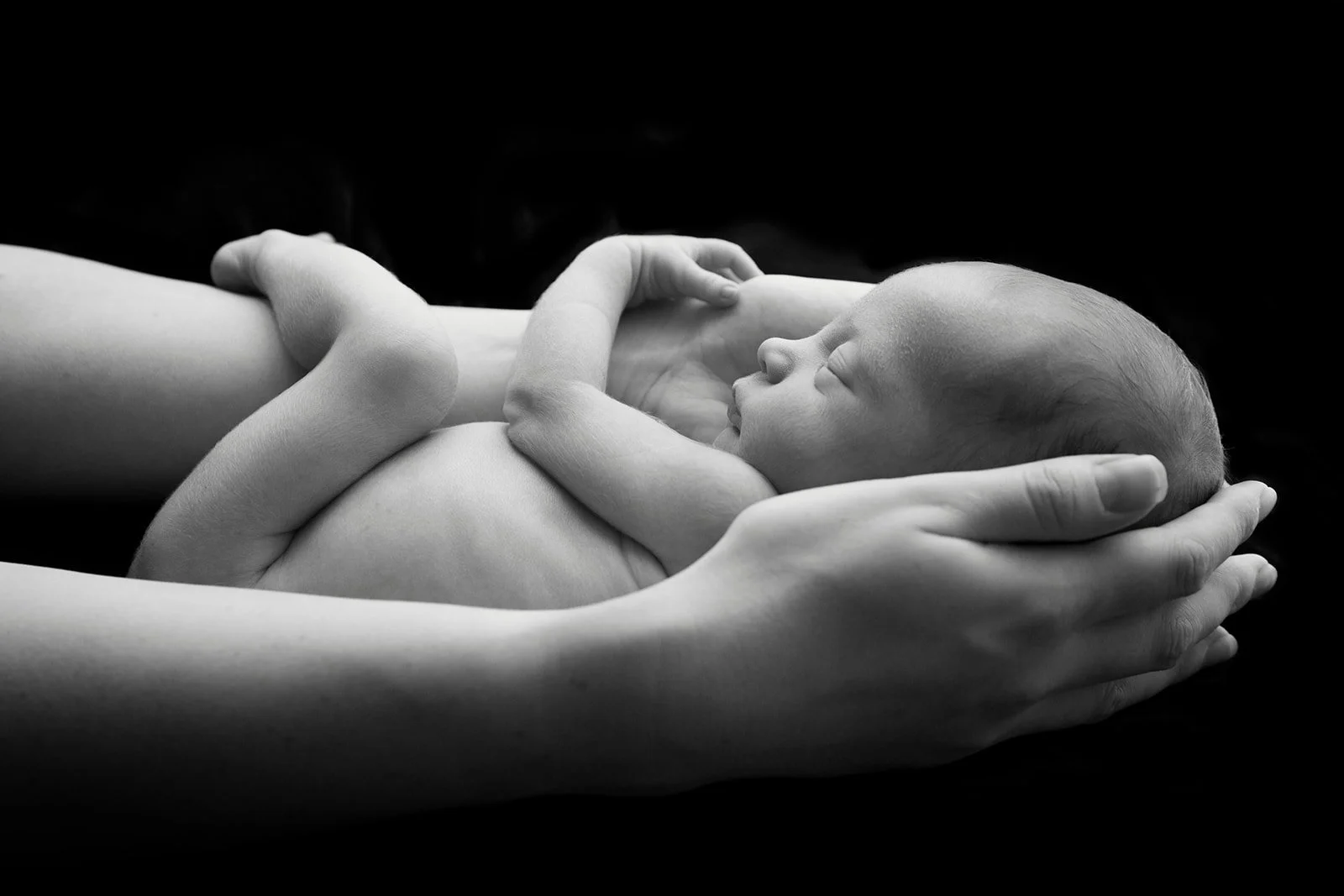
Bringing your baby home after time in the NICU is a huge milestone. It’s exciting, emotional – and often a bit scary. Suddenly, the beeping machines and constant support are gone, and you’re left figuring out what helps your baby feel safe and settled in a very different environment. One thing many parents don’t expect to think about is sound.
Home can feel strangely quiet
Adults often think quiet equals calm. But for babies born early, silence can feel unfamiliar. Before birth, babies are used to constant background noise: a heartbeat, breathing and movement. When birth happens early, that steady sound suddenly disappears.
At home, noises tend to be unpredictable e.g. a door slams, someone laughs or a sibling shouts. For a premature baby with a still-developing nervous system, these sudden sounds can be startling.
How gentle background noise can help
Soft, steady white noise can help block out sudden changes in noise. Instead of waking or startling a baby, it creates a calm background that makes the environment feel more predictable.
Research suggests that gentle, consistent sound may help some premature babies:
Settle more easily
Fall asleep faster
Stay calmer during feeds
Keep heart rate and breathing steadier
Sounds with a slow, steady rhythm – similar to a heartbeat – may be especially comforting, as they echo what babies heard before birth. Some parents choose heartbeat or womb-style sounds for this reason, such as those available in Zello’s sound library, which are designed to mimic these familiar rhythms rather than stimulate or entertain.
Using white noise safely
Sound can be helpful, but it needs to be used thoughtfully. In hospitals, very strict sound limits are used because premature babies are extremely vulnerable and exposed to noise all day. At home, white noise should be used intentionally, not constantly.
Simple safety tips:
Keep the volume low, about the level of a quiet conversation
Place the sound source at least 1–2 metres away from the cot
Use it mainly for sleep or settling
Choose steady, unchanging sounds (like gentle white noise, heartbeat or womb sounds) rather than music or voices
Always follow safe sleep guidance (baby on their back, clear cot)
A helpful check: if you can talk normally over the sound without raising your voice, it’s probably at a safe level.
Common worries parents often have
“Will my baby become dependent on white noise?”
There’s no strong evidence that babies become dependent on white noise. Many naturally need less support as their nervous systems mature. If you decide to stop using it, you can simply turn the volume down gradually over time.
“Could white noise damage my baby’s hearing?”
When used at low volumes and placed at a safe distance, white noise is generally considered safe. Issues tend to arise only when sound is too loud, too close, or played continuously.
“Should I leave it on all day?”
It’s best to use white noise during sleep or settling times rather than 24/7. Babies also benefit from hearing everyday sounds and familiar voices while they’re awake.
“Is silence better for development?”
Not always. For some premature babies, silence can feel just as unsettling as loud noise. A gentle, steady background sound can help create a sense of calm and predictability.
“What if my baby doesn’t like it?”
That’s completely fine. White noise isn’t essential, and it won’t suit every baby. If your baby seems unsettled, trust their cues and try something else.
A helpful option, not a must
White noise isn’t a magic fix, and it’s not something every family needs. But for some, gentle background noise (particularly womb-inspired or heartbeat-style audio) can be a simple, non-invasive way to support settling and sleep during the transition from hospital to home.
As with everything in early parenting, your baby’s responses matter most. Keep things gentle, flexible and supportive – and trust that you’re learning together.
Working with an infant sleep consultant
If sleep feels especially challenging after your baby’s time in the NICU, personalised support can make a real difference. Premature babies often have unique sleep needs, and a gentle, responsive approach can help you understand your baby’s cues and build routines that feel right for your family.
If you’d like 1:1 support, I offer compassionate sleep guidance grounded in developmental understanding and respectful care. I’ll never ask you to leave your baby to cry alone.
Book a free discovery call today and let’s see whether working together feels like a good fit.
Sources:
American Academy of Pediatrics. (2023). Preventing excessive noise exposure in infants. Pediatrics. https://publications.aap.org/pediatrics/article/152/5/e2023063753/194472
Blair, R., Lewis, C., & Burnell, K. (1988). White noise facilitates neonatal sleep. Archives of Disease in Childhood, 65(1), 135–137. https://adc.bmj.com/content/65/1/135
Hugh, S. C., Wolter, N. E., & Propst, E. J. (2014). Infant sleep machines and hazardous sound pressure levels. Pediatrics, 133(4), 677–681. https://pubmed.ncbi.nlm.nih.gov/24590753/
Liao, X., Chen, D., Ren, X., & et al. (2023). Effect of the sound of the mother’s heartbeat combined with white noise on heart rate, weight, and sleep in premature infants. PubMed. https://pubmed.ncbi.nlm.nih.gov/36747385/
Liao, X., et al. (2021). Mothers’ voices and white noise on premature infants’ physiological reactions in a neonatal intensive care unit: A multi-arm randomized controlled trial. PubMed. https://pubmed.ncbi.nlm.nih.gov/33975075/
Tanrıverdi, E., & Ayyıldız, T. K. (2023). The effect of white noise on sucking success and infant comfort in premature babies: A paired randomized controlled trial. Journal of Pediatric and Neonatal Individualized Medicine, 12(2). https://jpnim.com/index.php/jpnim/article/view/e120205
University of Southampton. (2020). Noise levels in UK NICUs and effects on premature infants. https://eprints.soton.ac.uk/502267/
Thames Valley & Wessex Neonatal Network. (2025). Sound on the Neonatal Unit Guidelines. https://neonatalnetworkssoutheast.nhs.uk/wp-content/uploads/2025/03/TVW-Sound-on-the-Neonatal-Unit-Guideline_V6-ratified-March-2025.pdf
Zhang, Q., Huo, Q., Chen, P., Yao, W., & Ni, Z. (2024). Effects of white noise on preterm infants in the neonatal intensive care unit: A meta-analysis of randomized controlled trials. Nursing Open, 11, e2094. https://pubmed.ncbi.nlm.nih.gov/38268285/